National Volunteer Week, celebrated this year from April 21 through April 25, 2025, is an opportunity for PILI to recognize and acknowledge our own outstanding and dedicated volunteers. Without our vast network of volunteers throughout Illinois, PILI would not be where it is today. Today, we want to spotlight some of our Judicial Circuit Pro Bono Committee members who strive to increase equal access to justice by promoting and enhancing pro bono legal services within a specific judicial circuit in Illinois.
Hope Nickel, Yorkville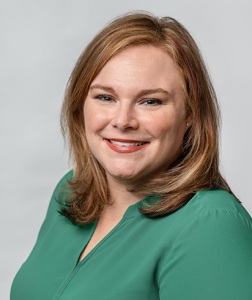
Twenty-Third Judicial Circuit Pro Bono Committee
Hope’s commitment to pro bono work was shaped long before she became an attorney. “My undergraduate degree was in child family studies. While in school, I worked at a domestic violence shelter and saw people in really bad situations who could not afford a place to live much less an attorney,” she shares. “It is very important to me that everyone has access to legal assistance.”
Her involvement with PILI’s Twenty-Third Judicial Circuit Pro Bono Committee has deepened her awareness of unmet legal needs across various areas of law. “Working with the Twenty-Third Judicial Circuit Pro Bono Committee has made me aware of the need for pro bono legal assistance in different areas of law,” she explains. Hope regularly participates in the Lawyer in the Lobby program, where she directly connects with individuals in need. She says, “It is amazing how appreciative people are when you take the time to listen to them and do what you can to help them. I think as lawyers we sometimes forget how scary and intimidating courts can be for people.” Hope notes that with PIL’s pro bono opportunities, such as the expungement clinic, that PILI offers training to attorneys who may want to help others but do not have experience in a particular area of law, which is a benefit to both the attorney and the community.
Hope’s commitment to community engagement is both personal and professional. “I think it is important to give back in any way I can,” she says. “I also enjoy the collaborative aspect of working on committees.” When it comes to advancing equal access to justice, Hope believes attorneys play a critical role beyond traditional casework. In addition to participating in legal clinics or taking pro bono cases, Hope believes it is important for attorneys to work to bring attention to the problems with access to the legal system for clients and that there is a need to advocate for changes to the system. Hope’s dedication serves as a powerful reminder of the impact lawyers can have—not only by giving their time, but also by advocating for a more equitable legal system.
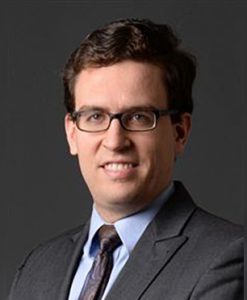 Daniel Thies, Champaign
Sixth Judicial Circuit Pro Bono Committee
The connection between pro bono service and the integrity of our legal system is foundational for Daniel. “The rule of law will preserve a free society only to the extent that the legal system is just and is perceived to be so by all of society,” he shares. Supporting lawyers in offering pro bono services to those in need strengthens the credibility of the legal system and reinforces the foundation of the rule of law.
Through his work with PILI’s Sixth Judicial Circuit Pro Bono Committee, Daniel has gained a broader and deeper view of the needs within his community. “Through working with other lawyers, I’ve come to a deeper understanding of the range of legal needs in our community, and I have a greater appreciation for how every lawyer can assist in meeting them.” This sense of shared responsibility underscores his perspective on the profession. Volunteering serves as a reminder that the legal profession carries a broader public responsibility. Serving clients is not just about individual representation—it’s also about advancing justice and upholding the rule of law for the greater good.
His commitment to service is also rooted in personal faith and hope. “Human justice is always imperfect. But as a Christian, I have a firm hope and expectation that God’s justice will ultimately make all things right. That hope enables me to continue working to improve the flaws in our current system so that it more closely approximates perfect justice.” When asked about the role lawyers play in today’s efforts to secure equal access to justice, Daniel is clear: “Lawyers are and must always be on the front lines to secure access to justice. The noblest traditions of our profession include public service, commitment to the rule of law, and zeal to ensure competent and ethical representation to our clients. We must continue working within these traditions to pursue equal access to justice for all.”
Julian Valdes, Crete
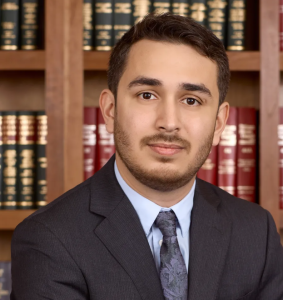 First Judicial Circuit Pro Bono Committee
For Julian, joining PILI’s First Judicial Circuit Pro Bono Committee is an opportunity to use his skills in a way to give back and do good in his community. There is great value in understanding the needs of a community and being able to contribute.
Through his involvement, Julian has gained insight into the very real and often overlooked barriers that self-represented litigants (SRLs) face in the 1st Circuit. “It’s no secret that the First Circuit has many areas that are/could be considered legal deserts,” he explains. This experience has helped Julian better understand the practical difficulties people face—both in accessing self-help resources and in finding legal representation.
Volunteering has also served as an important reminder of what it means to practice law. “Whether through pro bono representation or service on volunteer committees, I feel that volunteering helps remind attorneys that there is more to the practice of law than billable hours,” he reflects. Despite the demands of the profession, Julian remains deeply committed to staying engaged in his community. Julian believes that having a sense of community is vital—especially if you’re living somewhere you didn’t grow up. While sometimes it may not feel like enough, Julian is proud to know that his efforts, however small, have made a positive difference.
When asked about the role of lawyers in advancing access to justice, Julian emphasizes the unique value of legal guidance. “Someone can look up what a motion is, but it is harder to research and understand the need to file a motion and what a motion should contain,” he says. And for those who may not have the time for full representation, he encourages exploring other impactful options: “There is still great value in volunteering other services, such as legal coaching and guidance through programs like Lawyer in the Library.”